Instagram Facebook Youtube linkedin

Computer Science Engineering

ABOUT DEPARTMENT

Computer Science or computing Science is the scientific and practical approach to computation and its applications. A Computer Scientist specializes in the theory of computation and the design of computational systems.


Aim :

The goals of the computer science and engineering department are to prepare students for graduate training in some specialized area of computer science, to prepare students for jobs in industry, business or government, and to provide support courses for students in engineering, mathematics and other fields. Computing skills. An ability to analyze a problem, and identify and define the computing requirements appropriate to its solution.


Objectives :

  1. To prepare engineering professionals, recognized for the quality and significance of their knowledge, research and service.
  2. To provide widely recognized leadership in the improvement of Computer science and engineering, through innovation.
  3. Enhance the commitment of faculty, staff, and students to the centrality of diversity, social justice, and democratic citizenship.
  4. To help the students to excel in the field of Computer science through academic excellence and integrity and outstanding teaching.

VISION & MISSION

Vision :

To impart quality professional education to develop entrepreneurial skills and attributes among the students to serve the global needs in the field of Computer Science Engineering.


Mission :

To establish an infotech environment of computer technology and to develop computational skills to compute with this changing world and changing market demands.
We are committed to:

  • Foster academic and career success through effective communication.
  • Implement cutting-edge technology that prepares students for lifelong success.
  • Impart the competency in students to pursue higher studies and research areas of engineering.
  • Holistic development of students to adapt to the changing technology for the well-being of society.

POs, PEOs & PSOs

Program Outcomes :

PO 1 - Application of Engineering Knowledge: Apply knowledge of Engineering, management, mathematics and science for solving engineering problems. Analyze, plan and apply the acquired knowledge in basic sciences and mathematics in solving problems with technical, economic, environmental and social contexts.

PO 2 - Analysis of Problem: Ability to design and conduct experiments as well as to analyze and interpret experimental or collected data, simulate and fabricate circuits and systems, and make own projects utilizing the latest software tools and techniques. Design, build, and test analog & digital electronic systems for given specifications.

PO 3 - Design/development of solutions: Design a system, component, or process to meet the desired specifications, performance, and capabilities; compatible with health, safety, legal, societal, and environmental considerations.

PO 4 - Conduct investigations of complex problems: Use research-based knowledge and research methods including design of experiments, analysis and interpretation of data, and synthesis of the information to provide valid conclusions.

PO 5 - Modern tool usage: Create, select, and apply appropriate techniques, resources, and modern engineering and IT tools including prediction and modeling to complex engineering activities with an understanding of the limitations.

PO 6 - The Engineer and Society: Apply reasoning informed by contextual knowledge to assess societal, health, safety, legal, and cultural issues and the consequent responsibilities relevant to the professional engineering practice.

PO 7 - Environment and Sustainability: Understand and correctly interpret the impact of engineering solutions in global, societal, and environmental contexts and demonstrate the knowledge of a need for sustainable development.

PO 8 - Ethics: Understand ethics of life and professions and abide by them.

PO 9 - Individual and Team-work: Communicate effectively, demonstrate leadership qualities, and exhibit professional conduct in their career. Work with a multi-disciplinary team, and appreciate the role of a leader, leadership principles, and attitudes conducive to effective professional practice of Engineering.

PO 10 - Communication: Communicate and present effectively both orally and in writing, such as being able to comprehend and write effective reports and design documentation, make effective presentations and give and receive clear instructions.

PO 11 - Project management and finance: Demonstrate knowledge and understanding of the engineering finance and management principles as a member and leader in a team to manage projects in multi-disciplinary environments. Apply relevant shop practices in compliance with safety policies and current regulations for engineering workplaces.

PO 12 - Life-long learning: Engage in life-long learning, demonstrate knowledge and understanding of contemporary and emerging issues relevant to their domain, demonstrate knowledge and understanding of business practices and principles of management, and understand their limitations. Develop awareness of legal consequences of engineering solutions.


Program Educational Outcomes :

PEO 1: To prepare graduates with a solid foundation in Computer Science and Engineering & Technology for a successful career in Computer Science & Engineering.

PEO 2: To equip graduates with integrity and ethical values so that they become responsible multidisciplinary engineers by exhibiting leadership and team-building skills.

PEO 3: To prepare graduates to excel in competitive examinations / postgraduate programs in advanced education.

PEO 4: To prepare graduates to succeed in industry / technical profession by applying current and innovative Computer engineering technologies through lifelong learning.


Program Specific Outcomes :

PSO 1: To apply cognitive & non-cognitive pedagogy and adaptive methodological algorithms to model real-world problems.

PSO 2: To design different tools and techniques for effective decision-making and data analytics.

PSO 3: To assess & evaluate security measures for complex networks to solve networking issues.

MEET THE HoD

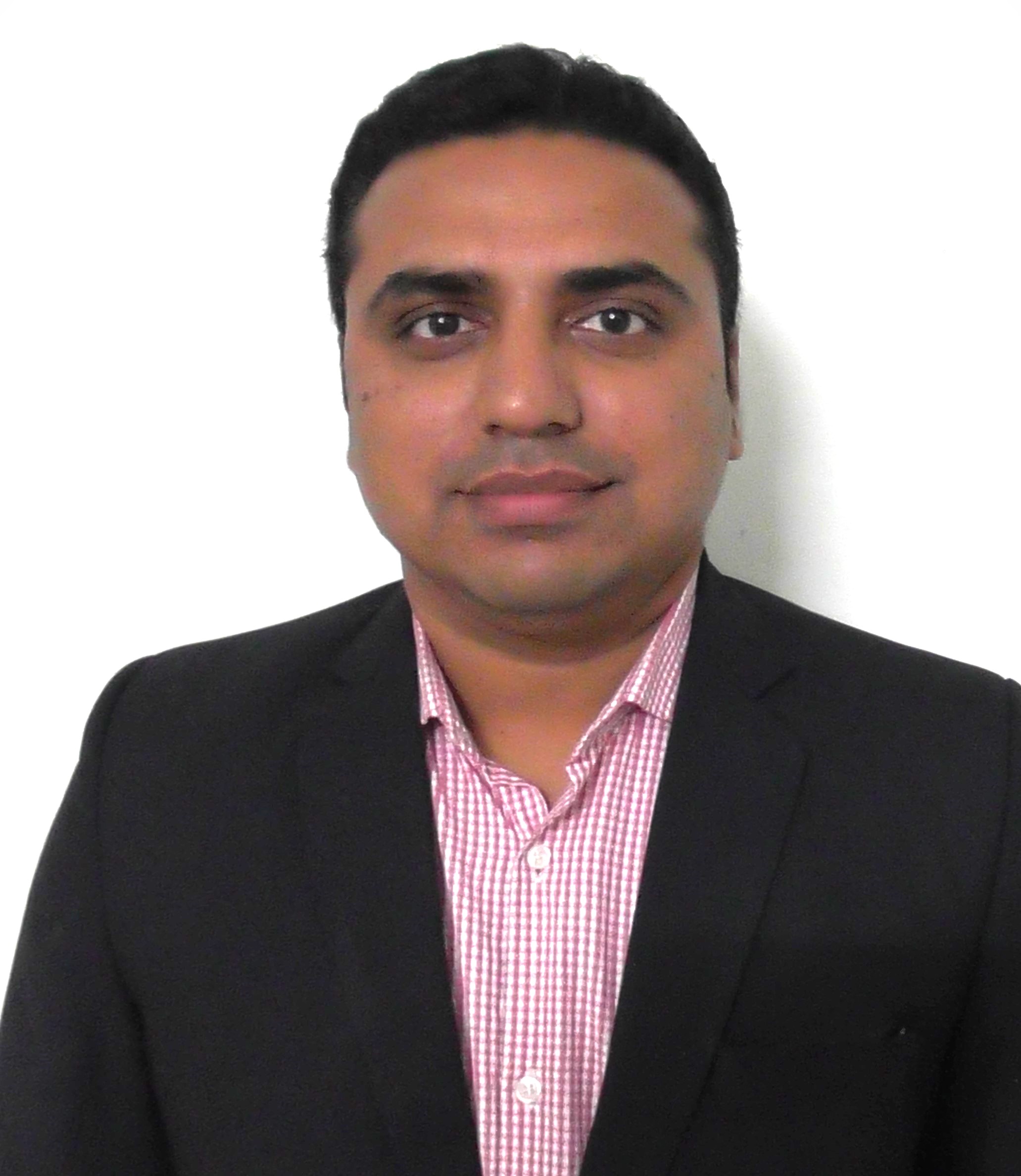
Dr. Syed Akhter Hussain
HOD CSE Department


Computer Science or computing science is the scientific and practical approach to computation and its applications. A Computer Scientist specializes in the theory of computation and the design of computational systems.

Its subfields can be divided into a variety of theoretical and practical disciplines. Some fields, such as computational complexity theory (which explores the fundamental properties of computational.) are highly abstract, while fields such as computer graphics emphasize real-world visual applications. Still, other fields focus on the challenges in implementing computation.

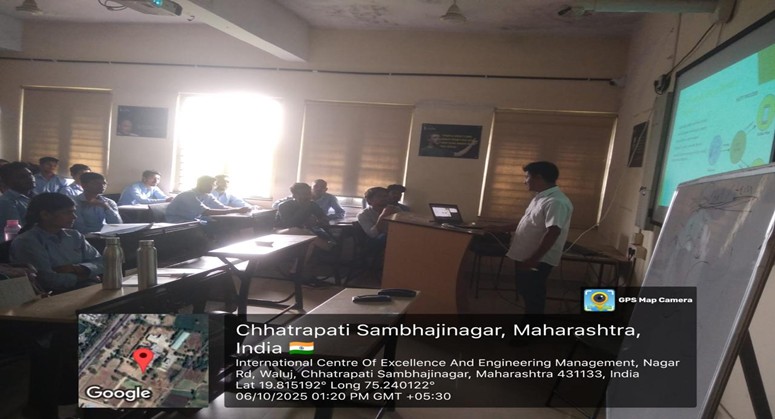
The department also provides LCD and projector facility for effective teaching. The department also has a "Departmental Library" for the departmental Students having references as well as textbooks.

Departmental Agenda 

The goals of the computer science and engineering department are to prepare students for graduate training in some specialized area of computer science, to prepare students for jobs in industry, business or government, and to provide support courses for students in engineering, mathematics and other fields. Computing skills. An ability to analyze a problem, and identify and define the computing requirements appropriate to its solution.

FACULTY

#
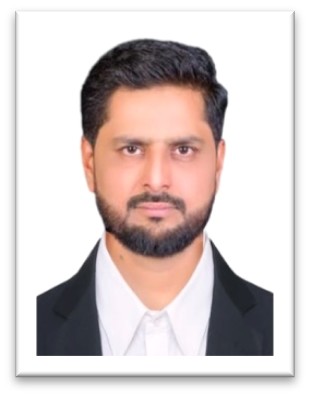
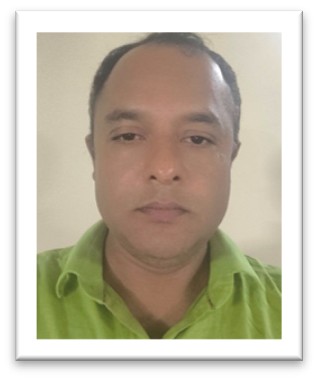
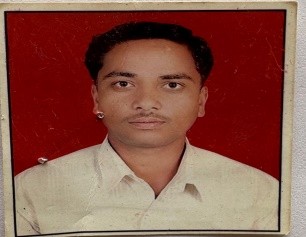
Prof. Yuvraj Pawar
Assistant Professor
Read More
#
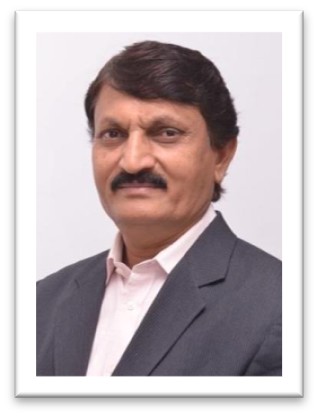
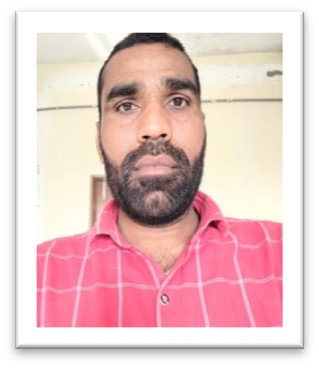
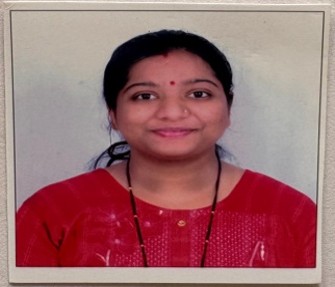
Prof. Sujata Ashok Chechare
Assistant Professor
Read More
#
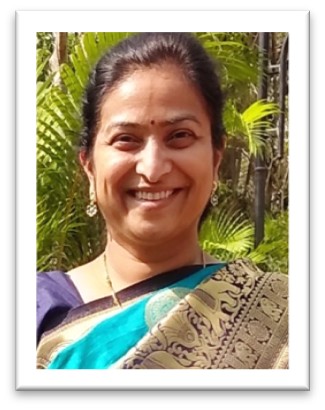
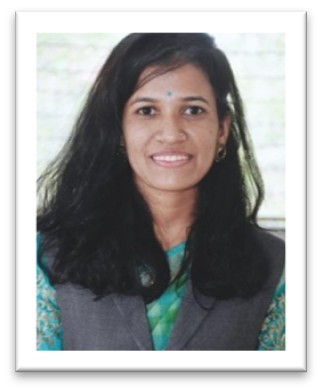
Prof. Sayali Dilip Desai
Assistant Professor
Read More
#
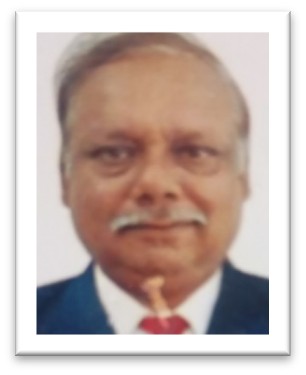
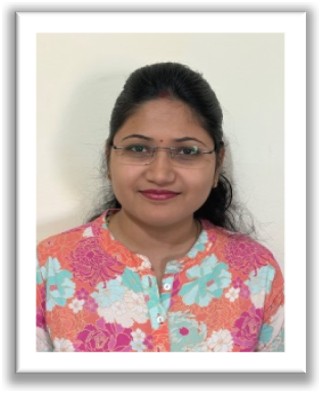
Prof. Vaishali Arun Gahire
Assistant Professor
Read More
#
Prof. Tejas Uddhavrao Padghan
Assistant Professor
Read More
#
ANJALI KARBHARI HIWALE
Lab Assistant
Read More

ACHIEVEMENTS

Patents Registered: 

Sr. No. Patent Title Application No. Status Date Inventors Remarks
1 SMART DESK FOR MALPRACTICE PREVENTION USING CLOUD SECURITY 202221002889 Granted 14/10/2025 1. Chudaman Devidasrao Sukte
2. Emmanuel M
3. Ratnadeep R. Deshmukh
4. Rajakumar B. R.
NA
2 MACHINE LEARNING SPECTRAL INDEX FOR MULTISPECTRAL SATELLITE SENSORS IN AGRICULTURAL DROUGHT ANALYSIS AND PREDICTION 202321006863 Granted 13/10/2025 1. Rashmi Nitwane
2. Dr. Vaishali Bhagile
3. Dr. Ratnadeep Deshmukh
NA
3 A SYSTEM FOR CALCULATING SURFACE WATER AREA G06T7/62 Granted 31/01/2025 1. Dr. Ratnadeep Kasturbai Raghunathrao Deshmukh, Chhatrapati Sambhajinagar, Maharashtra, IN
2. Akshay Kaveri Venketrao Kshirsagar, Chhatrapati Sambhajinagar, Maharashtra, IN
3. Dr. Namrata Uma Mahender, Chhatrapati Sambhajinagar, Maharashtra, IN
4. Omkar Eshwari Ellaiah Nallagoni, Hyderabad, Telangana, IN
NA
4 AgriWeedEx 3D – Agricultural Weed Extractor 6486349 Granted 21/11/2025 Amit Sharma,
Ajay Dattu Dighe,
Netradip Chavan,
Dr. Rohit Agrawal,
Prof. Abhay Bendekar,
Zafar Ul Hasan,
Ansar Rahman
NA

Additional Academic / Research Contributions

Description Details
Guru Gaurav National Award, 2025 – Dr. Ratnadeep R. Deshmukh Aadhar Foundation
Gururatna Award – Dr. Syed Akhter Hussain NPGIC India

COMMITTEE

Program Assessment Committee (PAC) :

Sr. No Name of faculty Designation Position Parent organization
1 Mr. Nitin S. Magar HoD Program Coordinator and PAC Coordinator ICEEM
2 Mr. Zafar Ul Hasan Assistant Professor Co- Program Coordinator ICEEM
3 Mrs. Pallavi Kathar Assistant professor Seminar and project  ICEEM
4 Mrs. Jayshree Jadhav Assistant Professor Foundation Courses ICEEM
5 Mr. Sachin Ragde Assistant professor Elective Courses  ICEEM
6 Mrs. Priyanka Bonde Assistant professor Core Courses  ICEEM
7 Mrs. Kalyani Gosavi Assistant Professor Mandatory Courses  ICEEM

Departmental Advisory (DAB) :

Sr. No Name of faculty Designation Position Parent organization
1 Mr. Nitin S. Magar HoD, Professor Chairperson ICEEM
2 Mr. Zafar Ul Hasan Assistant professor Co-Chairperson ICEEM
3 Mrs. Pallavi Kathar Assistant professor Coordinator ICEEM
4 Mrs. Jayshree Jadhav Assistant professor Member ICEEM
5 Mr. Sachin Ragde Assistant professor Member ICEEM
6 Mrs. Priyanka Bonde Assistant professor Member ICEEM
7 Mrs. Kalyani Gosavi Assistant professor Member ICEEM
8 Mr. Anand Humbe Assistant professor Academic Expert ICEEM
9 Dr. Deepmala Biradar Assistant professor Academic Expert ICEEM
10 Mr. Syed Sarfaraz Ahmed Industry Person Member Elite Engineers
11 Mr. Shaikh Awes Alumni Member ICEEM
12 Mr. Sanjay Namdeo Khedekar Parent Member Farmer Gangapur
13 Miss Zeeshan Ansari Student Member ICEEM
14 Miss. Khushbu Singh Student Member ICEEM

Department Development Committee (DDC) :

Sr. No Name of faculty Designation Position Parent organization
1 Mr. Nitin S. Magar HoD Chairperson ICEEM
2 Mr. Zafar Ul Hasan Assistant Professor Co-Chairperson ICEEM
3 Mrs. Pallavi Kathar Assistant professor Coordinator ICEEM
4 Mr. Vinod Shikhare Assistant professor Member IQAC ICEEM
5 Mrs. Jayshree Jadhav Assistant professor Member PRC ICEEM
6 Mr. Sachin Ragde Assistant professor Member DAS ICEEM
7 Mrs. Priyanka Bonde Assistant professor Member PAC ICEEM
8 Mrs. Kalyani Gosavi Assistant professor Member FC ICEEM
9 Mr. Shaikh Naushad Assistant professor Member T&P ICEEM
10 Mr. Chavan Kiran Assistant professor Member Mentoring ICEEM

Finance Committee (FC) :

Sr. No Name of faculty Designation Position Parent organization
1 Mr. Nitin S. Magar HoD Chairperson ICEEM
2 Mr. Zafar Ul Hasan Assistant Professor Co-Chairperson ICEEM
3 Mrs. Pallavi Kathar Assistant Professor Coordinator ICEEM
4 Mrs. Jayshree Jadhav Assistant Professor Member ICEEM
5 Mr. Sachin Ragde Assistant Professor Member ICEEM
6 Mrs. Priyanka Bonde Assistant Professor Member ICEEM
7 Mrs. Kalyani Gosavi Assistant Professor Member ICEEM

Project Review Committee (PRC) :

Sr. No Name of faculty Designation Position
1 Mr. Nitin S. Magar HoD Chairperson
2 Mr. Zafar Ul Hasan Assistant Professor Co-Chairperson
3 Mrs. Pallavi Kathar Assistant professor Coordinator
4 Mrs. Jayshree Jadhav Assistant Professor Member
5 Mr. Sachin Ragde Assistant professor Member
6 Mrs. Priyanka Bonde Assistant professor Member
7 Mrs. Kalyani Gosavi Associate Professor Member

MoU's

LABORATORIES

Field Details
Department Name Department of Computer Science and Engineering (CSE)
Laboratory Name Computer Fundamental Lab
Lab In-charge Prof. Y. Pawar
Supporting Staff N.A.
Year of Establishment N.A.
Lab Location (Room No. / Block) Computer Fundamental Lab

Field Details
Department Name Department of Computer Science and Engineering (CSE)
Laboratory Name Computer Network Lab
Lab In-charge Prof. S. A. Chechare
Supporting Staff N.A.
Year of Establishment N.A.
Lab Location (Room No. / Block) Computer Network Lab

Field Details
Department Name Department of Computer Science and Engineering (CSE)
Laboratory Name Database Management System Lab (DBMS Lab)
Lab In-charge Prof. Sayli Desai
Supporting Staff N.A.
Year of Establishment N.A.
Lab Location (Room No. / Block) DBMS Lab

Field Details
Department Name Department of Computer Science and Engineering (CSE)
Laboratory Name Digital Electronics & Microprocessor Lab (CSE)
Lab In-charge Prof. T. U. Padghan
Supporting Staff N.A.
Year of Establishment N.A.
Lab Location (Room No. / Block) Digital Electronics & Microprocessor Lab (CSE)

Field Details
Department Name Department of Computer Science and Engineering (CSE)
Laboratory Name Language Lab (CSE)
Lab In-charge Prof. Vaishali Gahire
Supporting Staff N.A.
Year of Establishment N.A.
Lab Location (Room No. / Block) Language Lab (CSE)

Field Details
Department Name Department of Computer Science and Engineering (CSE)
Laboratory Name Open Source Technology Lab
Lab In-charge Prof. A. Hiwale
Supporting Staff N.A.
Year of Establishment N.A.
Lab Location (Room No. / Block) Open Source Technology Lab

Field Details
Department Name Department of Computer Science and Engineering (CSE)
Laboratory Name Operating System Lab
Lab In-charge M. Tech (CSE)
Supporting Staff N.A.
Year of Establishment N.A.
Lab Location (Room No. / Block) Operating System Lab

Field Details
Department Name Department of Computer Science and Engineering (CSE)
Laboratory Name Software Development Lab
Lab In-charge Prof. Manisha Kharat
Supporting Staff N.A.
Year of Establishment N.A.
Lab Location (Room No. / Block) Software Development Lab

Major Instruments / Equipment Details

Sr. No. Instrument Name Make / Model / Configuration Quantity Approx. Cost (₹) Purpose / Use
1 PC Intel Dual Core E5800
1 GB DDR2 RAM
300 GB HDD
15" LCD TFT Monitor
Optical Mouse
20 NA Student Perform Practicals
2 PC Intel Core i5-330 CPU @ 3.0 GHz
4 GB RAM
500 GB SSD
USB Keyboard, Optical Mouse
24-Port Network Switch
20 NA Student Perform Practicals
3 PC Intel Core i5-330 @ 3.0 GHz
4 GB RAM
500 GB HDD
24-Port Gigabit Switch
18 NA Student Perform Practicals
4 PC Intel Dual Core E5800
1 GB DDR2 RAM
300 GB HDD
15" LCD TFT Monitor
20 NA Student Perform Practicals
5 PC Intel Dual Core E5800
1 GB RAM
300 GB HDD
15" Monitor
50 NA Student Perform Practicals
6 PC Intel Dual Core E5800
1 GB DDR2 RAM
300 GB HDD
LCD TFT Monitor
20 NA Student Perform Practicals
7 PC Intel Dual Core E5800
1 GB DDR2 RAM
300 GB HDD
LCD TFT Monitor
20 NA Student Perform Practicals
8 PC Intel Dual Core E5800
1 GB DDR2 RAM
300 GB HDD
LCD TFT Monitor
20 NA Student Perform Practicals

Laboratory Cost and Resources

Particulars Details / Amount (₹)
Total Equipment Cost ₹ 12,88,485
Furniture / Infrastructure Cost ₹ 12,54,399
Annual Maintenance Cost No record
Total Lab Cost (Approx.) ₹ 25,42,884

Laboratory Manual / Reference Material

Sr. No. Experiment Title / Topic Lab Manual Link
1 Cloud Computing
Computer Network Architecture and Protocols
View Manual
2 Database Management Systems View Manual
3 Data Structures View Manual
4 Data Warehousing and Data Mining View Manual
5 Internet of Things View Manual
6 Principles of Compiler Design View Manual
7 Python View Manual
8 PIJ Lab Manual View Manual
9 SDL Lab Manual View Manual


COURSE INSTRUCTIONAL METHOD

  • Artificial Neural Networks
  • Business Economics and Financial Analysis
  • Cloud Computing
  • Compiler Design
  • Computer Forensics
  • Computer Organization
  • Cryptography & Network Security
  • Data Communications & Computer Networks
  • Data structures
  • Data Warehousing & Data Mining
  • Database Management System
  • Design & Analysis of Algorithms
  • Dynamic Programming
  • Formal Languages and Automata Theory
  • Intellectual Property Rights
  • Linux Programming
  • OOP through Java
  • Operating System
  • Programming and Problem Solving
  • Software Project Management
  • Web Technology

CERTIFICATE COURSES

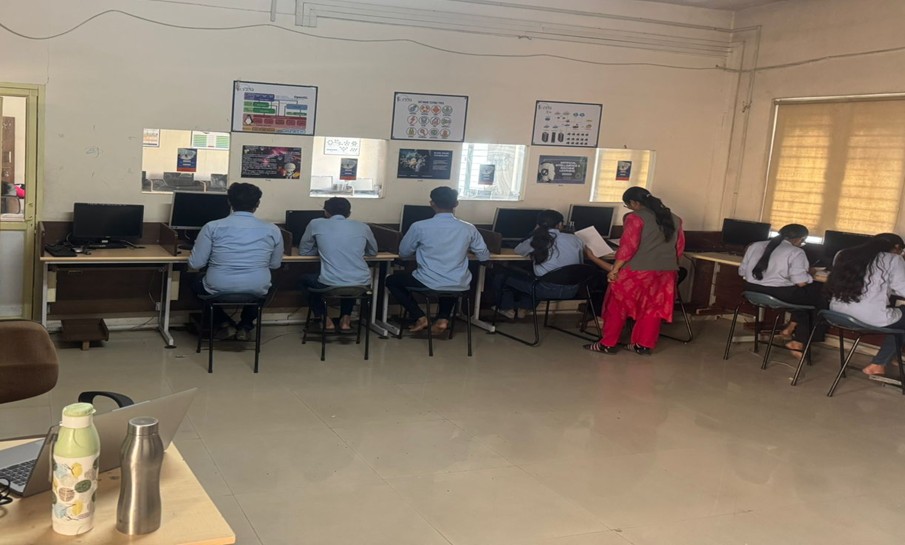
Certificate courses in computer science offer specialized knowledge and skills in various areas of the field, such as programming languages, data analysis, cybersecurity, and artificial intelligence. These short-term programs provide practical training, enhancing career prospects and equipping individuals with in-demand expertise. Whether one aims to enter the tech industry or advance within it, CS certificate courses offer a flexible and focused way to gain relevant skills and stay competitive in the rapidly evolving world of technology. Certificate courses in computer science cater to both beginners and professionals seeking to enhance their technical competencies. With options ranging from web development and software engineering to cloud computing and machine learning, these programs provide hands on experience and industry-relevant insights. Recognized by employers, CS certificates validate expertise and can lead to better job opportunities and higher earning potential. Stay ahead in the dynamic tech landscape by enrolling in these concise yet impactful courses.
Objective Of Certification Course:

The objectives of a certification course in computer science include:

  1. Skill Mastery: To provide participants with in-depth understanding and hands on experience in specific areas of computer science, such as programming languages, data analysis, cybersecurity, artificial intelligence, or web development.
  1. Employability: To enhance participants' job prospects by equipping them with industry-relevant skills and credentials that are sought after by employers in the  tech sector.
  1. Career Advancement: To facilitate career growth by validating and expanding participants' expertise, enabling them to take on more challenging roles or transition to specialized fields within computer science.
  1. Stay Current: To ensure participants stay up-to-date with the rapidly evolving technological landscape and trends, enabling them to remain competitive in an ever-changing industry.
  1. Foundation for Further Learning: To serve as a stepping stone for individuals interested in pursuing advanced degrees or further education in computer science, building on the foundational knowledge gained through certification.

Scope of the Course:

The scope of a certification course in computer science is wide-ranging and offers numerous opportunities for personal and professional growth:

  1. Skill Diversity: A computer science certification equips individuals with versatile skills, ranging from programming and software development to data analysis and machine learning, enabling them to pursue various roles within the tech industry.
  1. Industry Relevance: As technology continues to transform various sectors, certified professionals are in demand across industries such as finance, healthcare, e-commerce, and entertainment, broadening the potential career paths.
  1. Entrepreneurship: The skills gained from a computer science certification empower individuals to innovate and create their own tech based startups or projects, contributing to the thriving entrepreneuriallandscape.
  1. Remote Work and Freelancing: With remote work becoming increasingly prevalent, certified computer science professionals can tap into freelance opportunities or remote roles that allow them to work from anywhere.
  1. Continuous Learning: Computer science is a field of constant innovation. A certification serves as a foundation for ongoing learning, enabling professionals to stay updated with emerging technologies and maintain their relevance in the ever-evolving tech landscape

VALUE ADDED COURSES

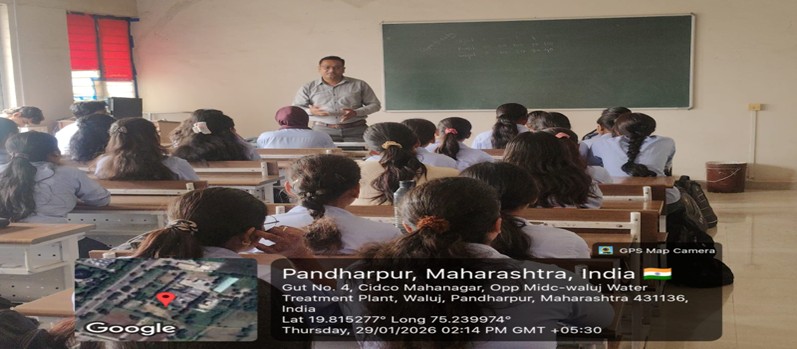
Value-added computer science courses, such as AI, data science, cybersecurity, and web development, enhance employability by providing specialized skills. These courses, aligned with career goals, offer a competitive edge. Recognized certifications validate gained proficiencies. Research course content, prerequisites, and job prospects before enrolling to ensure relevance in the dynamic industry. Continual learning ensures staying up-to-date and adaptable in the rapidly evolving tech landscape.
Objective of Courses :

1. Expertise Enrichment: Deepen understanding of computer science concepts.
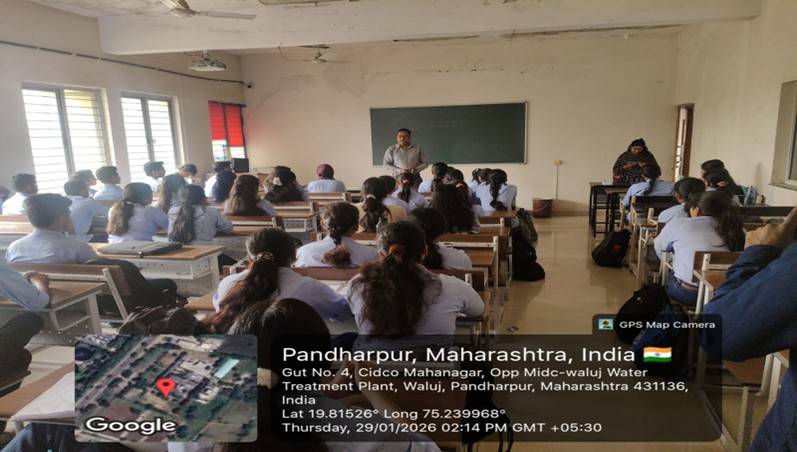
2. Industry Alignment: Align with evolving tech trends and demands.
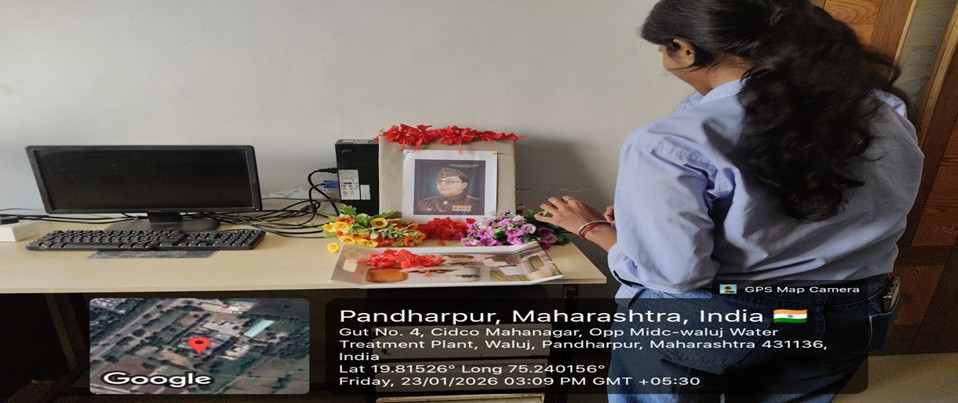
3. Skill Development: Acquire practical programming and problem-solving skills.
4. Certification Validation: Showcase proficiency in various CS domains.
5. Career Advancement: Enable growth in software development, AI, and more.


Scope of the Courses

1. Comprehensive Subjects: Encompasses diverse computer science areas.
2. Cutting-edge Technologies: Covers AI, blockchain, data science, and more.
3. Versatile Roles: Prepares for careers in software engineering, data analysis, cybersecurity, and more.
4. Industry Demand: Addresses the increasing need for tech-savvy professionals.
5. Real-world Application: Equips for practical challenges in tech innovation and problem-solving.

VALUE ADDED COURSES

Value-added computer science courses, such as AI, data science, cybersecurity, and web development, enhance employability by providing specialized skills. These courses, aligned with career goals, offer a competitive edge. Recognized certifications validate gained proficiencies. Research course content, prerequisites, and job prospects before enrolling to ensure relevance in the dynamic industry. Continual learning ensures staying up-to-date and adaptable in the rapidly evolving tech landscape.

Objective of Courses :

1. Expertise Enrichment: Deepen understanding of computer science concepts.
2. Industry Alignment: Align with evolving tech trends and demands.
3. Skill Development: Acquire practical programming and problem-solving skills.
4. Certification Validation: Showcase proficiency in various CS domains.
5. Career Advancement: Enable growth in software development, AI, and more.


Scope of the Courses

1. Comprehensive Subjects: Encompasses diverse computer science areas.
2. Cutting-edge Technologies: Covers AI, blockchain, data science, and more.
3. Versatile Roles: Prepares for careers in software engineering, data analysis, cybersecurity, and more.
4. Industry Demand: Addresses the increasing need for tech-savvy professionals.
5. Real-world Application: Equips for practical challenges in tech innovation and problem-solving.

BEST PRACTICES

  • Creating Course Website in CANVAS
  • Recorded Lecture
  • PBA
  • Project Expos

EVENTS

No Content Added Yet

SYLLABUS

Sr. No. Resource Type Description Link
1 Syllabus Folder containing syllabus of all respective classes View Folder
2 Subject Notes Folder containing notes of all respective classes View Folder
3 Previous Year Question Papers Folder containing previous year question papers View Folder

ACTIVITIES

No Content Added Yet

CONTACT

Dr. S. A. Hirve

Hod CSE. ICEEM

Drop us a message
 

PAPERS PUBLISHED

  • Nitin S. Magar, Zafar Ul Hasan and Humbe Anand “Design and Development of Optimized Cardiovascular Disease Prediction Model using Artificial Intelligence”, Published in ESP IJAST ESP International Journal of Advancements in Science and Technology, Vol. 1, Issue 2, pp-20-28, 12th June 2023
  • Zafar Ul Hasan, Dr. C. S. Padmavat and Dr. Deepmala Biradar “Opportunities in the Indian Pharmaceutical Sector: Post COVID-19”, presented in National Level Conference at Kohinoor College of Arts Science and Commerce, Khuldabad, Aurangabad, 12th Feb 2023.

Demo

No Content Added Yet